

How to Identify Fragrance Notes: A Beginner’s Guide to the Fragrance
6th Jul 2026
TL;DR: Learning about fragrance notes can transform the way you shop for and experience perfume. This guide explains how fragrance notes in perfume work, how scents evolve over time, and how you can train your nose to recognize different fragrance families and ingredients.
- Understand the difference between top, middle, and base notes and how they shape a fragrance's development.
- Learn why top notes evaporate quickly while base notes provide lasting depth and character.
- Discover common perfume fragrance notes, including floral scents, citrus notes, woods, musk, and vanilla.
- Explore fragrance families such as floral, woody, fresh, oriental, and gourmand fragrances.
- Follow simple tips for identifying fragrance notes and improving your scent recognition skills through sampling and comparison.
If you've ever sprayed a perfume and noticed it smells different after an hour, you've already experienced fragrance notes in action.
Understanding fragrance notes is one of the best ways to discover scents you truly love. Once you learn how perfumes are built, shopping for fragrances becomes much easier and more enjoyable.
In this beginner's guide, we'll break down perfume fragrance notes and explain how to identify them like a fragrance enthusiast.
What Are Fragrance Notes?
Fragrance notes are the individual scent components that make up a perfume. Perfumers carefully combine different ingredients to create a fragrance that changes over time.
When you first spray a perfume, you'll notice certain scents immediately. As those fade, new scents emerge. Finally, deeper notes remain on the skin for hours.
These layers are commonly referred to as the top middle and base notes of a fragrance.
Understanding Top, Middle, and Base Notes
Top Notes
Top notes are the first scents you smell after applying perfume. They create the initial impression of a fragrance.
Because these ingredients evaporate quickly, top notes usually last between 5 and 30 minutes.
Common top notes include:
- Citrus fruits
- Bergamot
- Lemon
- Grapefruit
- Light herbs
Middle Notes
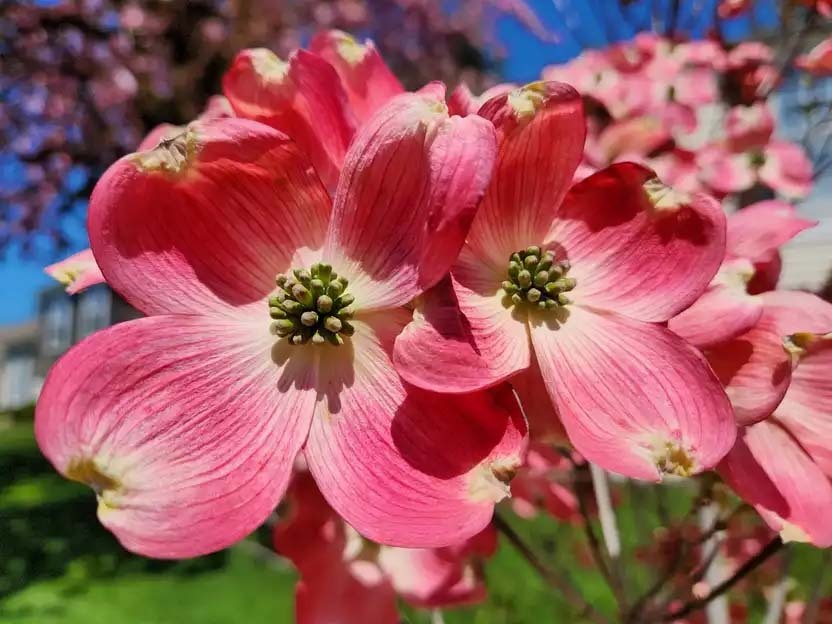
Also called heart notes, middle notes appear once the top notes begin to fade. These scents form the core personality of a fragrance.
Many floral scents are found in the middle note category, including:
- Rose
- Jasmine
- Lavender
- Orange blossom
Middle notes typically last several hours and help bridge the lighter top notes with the richer base notes.
Base Notes
Base notes provide depth and longevity. They emerge gradually and often remain on the skin for the longest period.
Some common base notes include:
- Sandalwood
- Patchouli
- Amber
- Musk vanilla combinations
- Cedarwood
These rich ingredients create the lasting impression of a fragrance.
How to Identify Fragrance Notes
Learning how to identify fragrance notes takes practice, but anyone can do it.
Start by spraying a fragrance on your skin instead of a paper blotter. Then pay attention to how the scent changes over time.
Try this simple process:
- Smell the fragrance immediately after spraying.
- Smell it again after 15 minutes.
- Revisit it after one hour.
- Check it again several hours later.
This method helps with identifying fragrance notes as they develop throughout the day.
Many fragrance lovers keep notes about the scents they recognize. Over time, you'll begin to spot familiar ingredients more easily.
Learn Fragrance Families
A helpful way to fragrance learn to identify notes is by understanding fragrance families.
Most perfumes fall into categories such as:
- Floral
- Woody
- Oriental
- Fresh
- Citrus
- Gourmand
When you recognize the fragrance family, identifying individual notes becomes much easier.
For example, floral fragrances often feature rose, jasmine, or orange blossom, while woody fragrances may contain cedarwood, sandalwood, or vetiver.
Discover More Through Sampling
The best way to improve your ability to recognize perfume fragrance notes is to sample a variety of scents. Comparing fragrances side by side trains your nose and helps you understand how different notes interact.
With enough exploration, you'll quickly become more confident identifying fragrance notes and discovering the scents that suit your personal style. The journey is part of the fun, and every new fragrance offers an opportunity to learn something new.
Shop for Unique Fragrances Today!